The Garden We Weren’t Going to Plant
We weren’t going to have a garden this year.
We had discussed it and everything. We knew we’d be away for part of the summer, and George doesn’t have quite the energy he used to. A garden is lovely in July when you’re walking outside to pick a tomato. It is slightly less romantic when it’s hot, everything needs watered and the weeds have apparently formed a labor union.
Skipping a year made perfect sense.
Then spring came, and there was George buying plants at Home Depot.
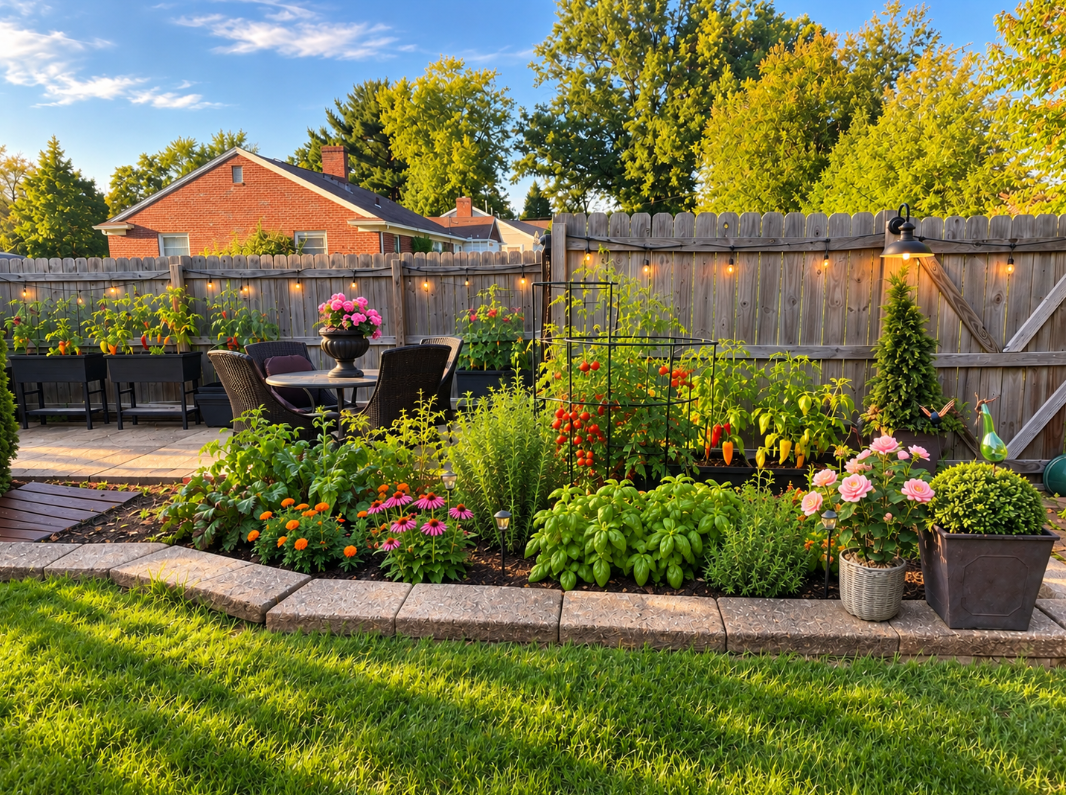
Apparently, that was the end of that. Before we knew it, the garden we weren’t going to plant was a garden again.
This is something we do every year. Tomatoes, bell peppers, cucumbers, jalapeños, banana peppers and lettuce. Around the yard, we’ve added grapes, blackberries, blueberries and strawberries, too.
And cherry tomatoes. So many cherry tomatoes.
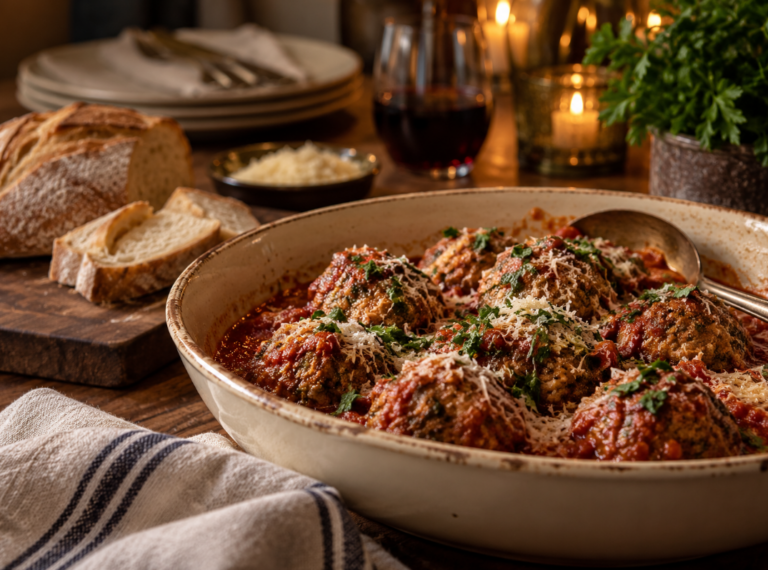
There reaches a point every summer when our ability to grow cherry tomatoes significantly exceeds our ability to eat cherry tomatoes. We give bags of them to the neighbors. We look for increasingly creative ways to use them. Last year, I decided to make tomato sauce with them, which sounded like an excellent idea right up until I actually had to make tomato sauce with an enormous quantity of tiny tomatoes.
I did it. I am not yet prepared to recommend it as a relaxing afternoon activity.
Still, every year we plant them again.
There are practical reasons we grow some of our own food. The produce is fresher, and the flavor is noticeably better. We know how it has been grown. We don’t use the pesticides or synthetic fertilizers we prefer to avoid. It helps with the grocery bill, and when the garden is producing well, very little needs to go to waste.
Those are all good reasons, but they’re not really the reason I love it.
The best part happens around dinner. There is something deeply satisfying about realizing you need a pepper or some lettuce or a few tomatoes and walking outside to get them. The garden stops being a project for a minute and becomes part of the meal.
It doesn’t get much fresher than that.
I think growing food also changes the way I experience it. A tomato from the grocery store is a tomato. I put it in the cart, bring it home and use it.
A tomato from the garden has been something else entirely before it becomes dinner. We’ve planted it, watched it grow, waited for it to ripen, worried about whether something was eating it and eventually picked it.
This doesn’t make the tomato sacred. It’s still a tomato.
But I notice it more.
Maybe that’s part of why it tastes better. Some of it is simply freshness and flavor, but some of the pleasure comes from the fact that dinner began long before I walked into the kitchen. It began in spring, when we put plants into the ground—or, in this year’s case, when George apparently forgot that we had mutually agreed not to buy any.
There is another part of growing food that I hadn’t thought much about until we started doing it year after year: abundance changes the direction food travels.
When we have too many cherry tomatoes, the question isn’t whether we need them. It’s who else might want them. So tomatoes go to the neighbors, and what started in our garden ends up on somebody else’s table.
I like that.
Not because I think everyone needs to start growing vegetables. Gardening takes time. It takes work. It requires someone to remember that plants become surprisingly demanding once you bring them home. There are years when skipping it would probably be easier.
This was supposed to be one of them.
And yet, when spring came, apparently neither of us really wanted the easier option.
Maybe we’ve simply become people who grow things. People who expect tomatoes in summer. People who know what a cucumber looks like before it becomes the uniformly shaped thing sitting under grocery-store lights. People who occasionally find themselves with far more cherry tomatoes than any reasonable household should possess.
By late summer, we’ll be picking ingredients for dinner and giving the extras away.
Just like we weren’t going to do this year.